
In the ever-evolving healthcare landscape, mesh nebulizers emerge as a game-changing solution for efficient respiratory therapy. By harnessing advanced technology, these devices facilitate improved drug delivery directly to the lungs, ensuring a seamless treatment experience for patients with chronic respiratory conditions. The practical application of mesh nebulizers spans various settings—from hospitals and outpatient clinics to even home care, addressing critical needs in the administration of nebulized medications. With their portability and ease of use, patients can receive therapies that are sometimes challenging to deliver effectively with traditional systems.
Mesh nebulizers prove invaluable in real-world scenarios. For instance, their compact design allows for mobility in emergency situations and helps in administering medications while patients are on the go—addressing a common hurdle in care continuity. Furthermore, they minimize waste and optimize dosage delivery, enhancing overall treatment efficacy. In settings where staff efficiency is paramount, their user-friendly interfaces reduce training times for medical personnel, creating a streamlined workflow.
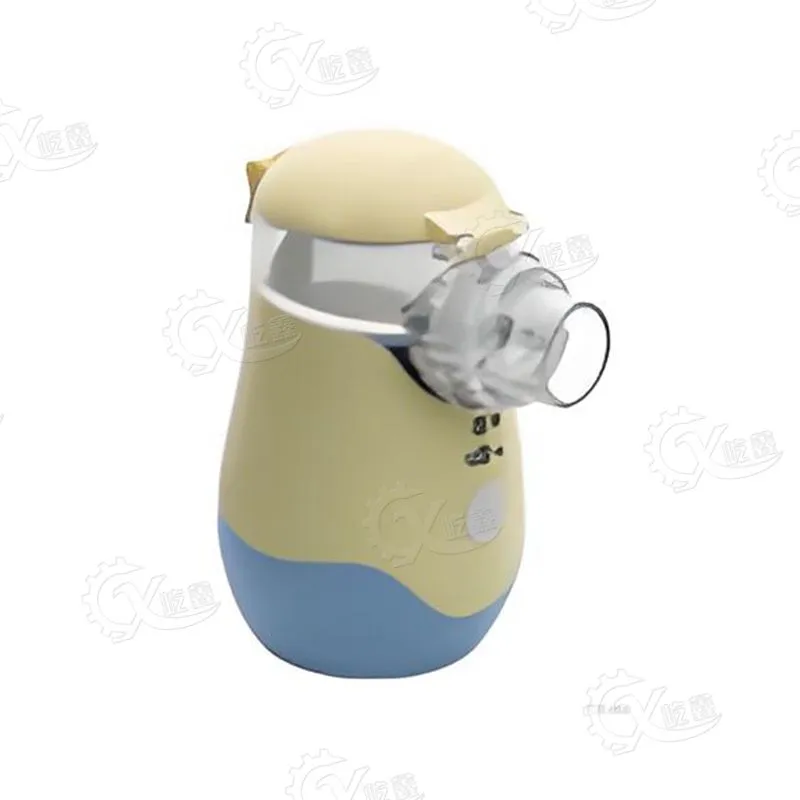
When you consider investing in mesh nebulizers, understanding their competitive advantages is crucial. These devices showcase unique benefits that significantly mitigate common challenges faced in respiratory treatments. For instance, their innovative design allows for consistent particle size, ensuring that more medication reaches the lungs rather than being deposited in the mouth or throat. This precision translates to enhanced therapeutic outcomes.
Add to this, the decreased treatment time associated with mesh nebulizers. Studies indicate they can reduce therapy duration by up to 50% compared to traditional nebulizers. This efficiency helps in managing costs for healthcare facilities, saving both time and resources. In essence, you'll find that these nebulizers not only address your operational challenges but also foster a more effective treatment environment.
The incorporation of mesh nebulizers in modern clinical practice is backed by observable success stories and industry data. A recent study demonstrated that hospitals that transitioned to mesh nebulizers reported a 30% increase in medication adherence rates among patients with asthma and COPD. The evidence is clear: implementing these devices not only enhances patient outcomes but also boosts the operational credibility of care providers.
| Type | Efficiency | Portability | Cost |
|---|---|---|---|
| Standard Nebulizers | Low | Medium | Low |
| Ultrasonic Nebulizers | Medium | Medium | Medium |
| Mesh Nebulizers | High | High | High |
In conclusion, mesh nebulizers represent a pivotal advancement in respiratory therapy. Their tangible advantages—including decreased treatment times, improved medication delivery accuracy, and enhanced patient comfort—position them as a vital resource for providers aiming for excellence in patient care. Investing in mesh nebulizers not only addresses immediate operational challenges but also aligns with the long-term goals of improved health outcomes and cost-efficiency.

