
The Compressor Nebulizer is a vital tool for people with respiratory conditions. It delivers medication directly to the lungs. This method helps with various illnesses, including asthma, cystic fibrosis, and other chronic respiratory issues. Many face challenges in managing their symptoms at home. Understanding the different application scenarios for these devices can greatly enhance the quality of life for patients. In this article, we will explore how compressor nebulizers work and when they are most beneficial.
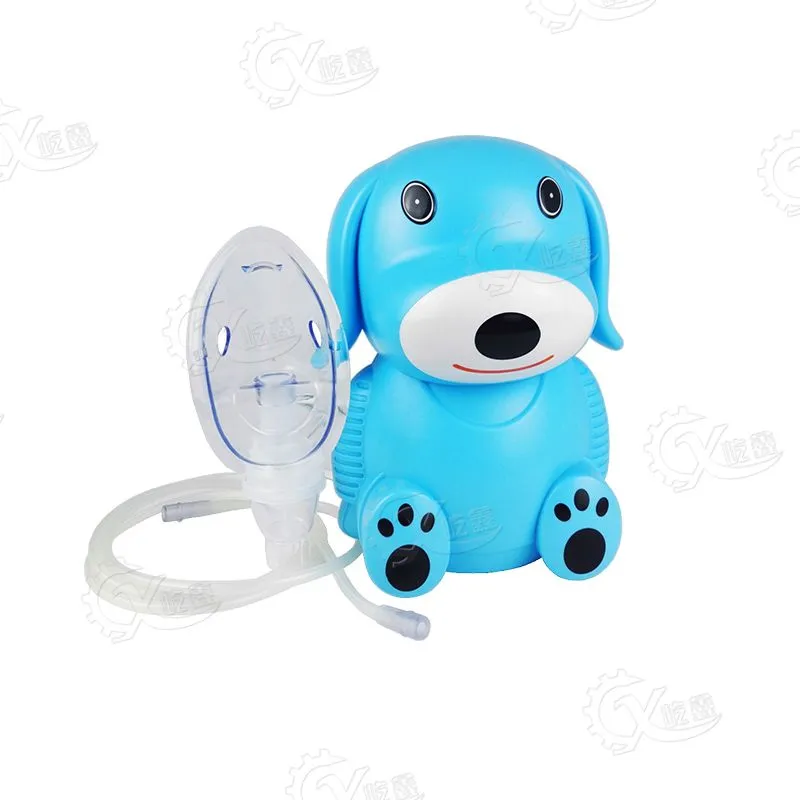
Compressor nebulizers are used primarily for treating asthma, cystic fibrosis, and chronic obstructive pulmonary disease (COPD). They provide a fast and effective way to deliver medication to the lungs, improving breathing and relieving symptoms.
Compressor nebulizers are widely used in treating asthma attacks. During an asthma attack, the airways become inflamed and narrow. A nebulizer helps to deliver bronchodilator medications quickly to open up those airways.
For individuals with cystic fibrosis, daily medication is crucial. Compressor nebulizers can efficiently deliver enzymes and antibiotics that help maintain lung function and prevent infections.
Patients with chronic obstructive pulmonary disease (COPD) often experience breathing difficulties. A nebulizer can deliver medication that eases breathing and reduces the inward pressure on the airways, thus improving quality of life.
In summary, the compressor nebulizer serves an essential role in treating various respiratory conditions. By understanding the application scenarios in asthma, cystic fibrosis, and COPD, patients can better manage their health. This device makes it easier to receive medication effectively, ultimately leading to improved health outcomes.
A compressor nebulizer is a medical device that converts liquid medication into mist, making it easier to inhale for patients with respiratory issues.
Each treatment session usually lasts between 10 to 15 minutes, depending on the medication prescribed.
Yes, compressor nebulizers can be safely used by children. Parents should supervise to ensure proper usage.
It depends on your doctor's advice. Generally, treatments can be taken multiple times per day if needed.

Dec. 19, 2025

Dec. 18, 2025
Jan. 08, 2026

Jan. 06, 2026

Dec. 10, 2025

Dec. 15, 2025

Dec. 16, 2025

Dec. 12, 2025

Jan. 14, 2026
Jan. 12, 2026


