
The emergence of OEM/ODM Medical Nebulizers has significantly transformed respiratory treatment, making it more accessible and efficient for patients. As asthma rates rise, especially among children, and the prevalence of chronic obstructive pulmonary disease (COPD) escalates globally, the utility of nebulizers cannot be overstated. These devices convert liquid medication into mist, enabling easier inhalation. In 2020, the global nebulizer market was valued at approximately $1.3 billion and is projected to reach $2.3 billion by 2027, growing at a compound annual growth rate (CAGR) of 8.5%. This article delves into the pain points faced by patients using traditional nebulizers and how OEM/ODM medical nebulizers offer practical solutions through improved technology and design.
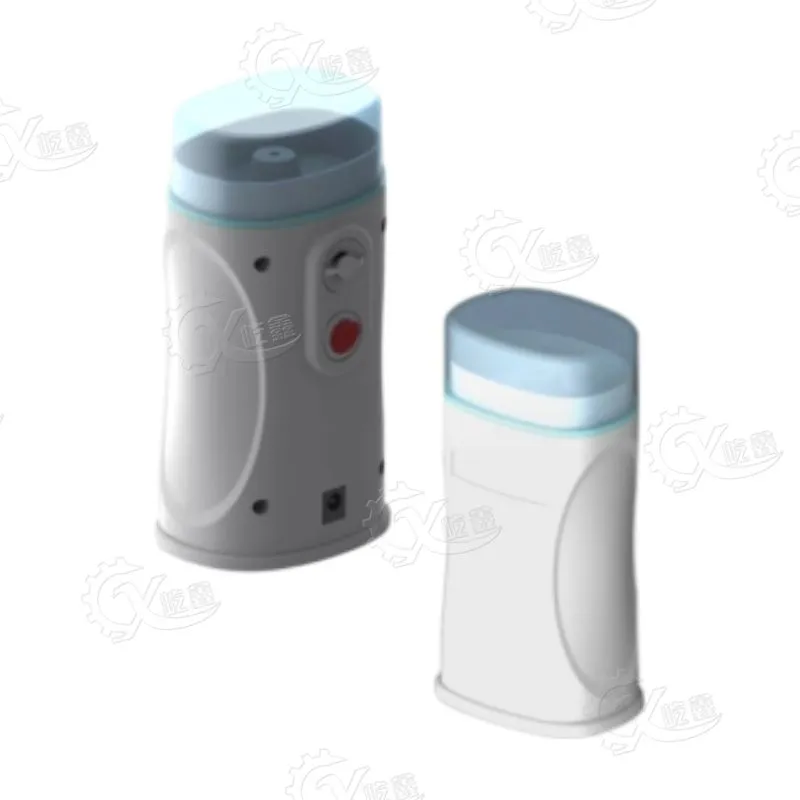
OEM stands for Original Equipment Manufacturer, and ODM stands for Original Design Manufacturer. OEM/ODM medical nebulizers are custom-designed devices produced to meet specific requirements set by healthcare providers or companies. These nebulizers optimize production processes by ensuring higher quality control standards, which is vital when delivering life-saving medication. Industry experts highlight that nebulizers manufactured under these models exhibit consistency in medication delivery, crucial for patients requiring precise dosages.
OEM/ODM medical nebulizers are used primarily in the following fields:
Why are OEM/ODM medical nebulizers crucial? Here are several key advantages:
To maximize the benefits of an OEM/ODM medical nebulizer, it is vital to follow manufacturer guidelines for usage and maintenance. Interested individuals should consult the user guide provided by their supplier or healthcare provider. Engaging with brands like Yixin can further ensure high-quality nebulization solutions tailored to individual needs.
Q1: How often should I clean my nebulizer?
A: It is recommended to clean your nebulizer after each use and perform a deep clean at least once a week to prevent infections.
Q2: Can I use my nebulizer for other medications?
A: Always consult your healthcare provider before using your nebulizer with medications not specified for nebulization.
Q3: What should I do if my nebulizer is not working properly?
A: Check the power source, inspect all components for damage, and consult the troubleshooting section of your user manual.
In conclusion, the adoption of OEM/ODM medical nebulizers presents a significant advancement in respiratory care, contributing to better health outcomes and quality of life for patients. For a trial or to learn more about various models, consider reaching out to trustworthy brands such as Yixin, which prioritize innovation and efficacy in their medical devices.

Dec. 17, 2025

Dec. 23, 2025

Dec. 15, 2025

Dec. 19, 2025

Dec. 10, 2025
Dec. 12, 2025

Dec. 24, 2025

Dec. 18, 2025

Dec. 16, 2025


