
Compressor Nebulizers play a vital role in treating respiratory conditions. These devices convert liquid medication into a fine mist. Patients inhale this mist to deliver medication directly to the lungs. This method is often effective for children and adults with breathing issues. Many people wonder when and how to use a compressor nebulizer effectively. They are essential for conditions like asthma, COPD, and allergies.
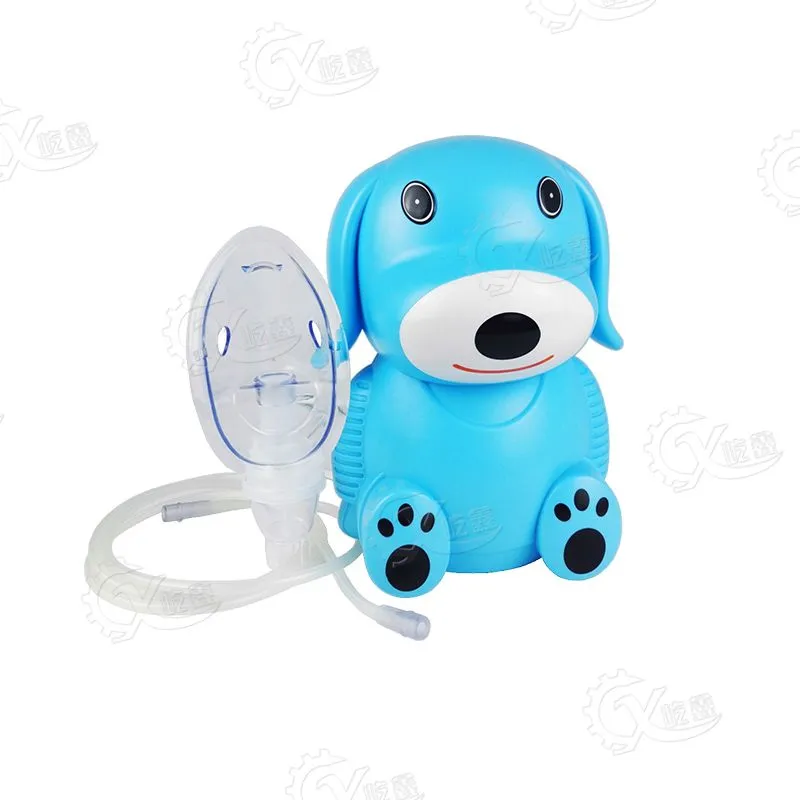
**Compressor nebulizers are used in various situations, including home care for chronic respiratory diseases, emergency management of asthma attacks, and delivering medications during hospital treatments.**
Patients with asthma or COPD often use compressor nebulizers daily. This helps manage their symptoms effectively. Studies show that regular use reduces emergency room visits by up to 50%. A typical regimen may involve using the device 1-4 times a day.
In emergencies, a nebulizer can quickly deliver medication. Patients experiencing an asthma attack may find relief within minutes. The quick dispersal of medication allows for immediate absorption. It can provide vital support until other treatments can be administered.
In hospitals, compressor nebulizers are commonly used in intensive care units. They help patients with severe respiratory conditions recover more quickly. Clear pathways are critical for healing, and nebulizers facilitate this. A study indicated that patients using nebulizers in recovery showed improved lung function faster than those who didn't.
Children often struggle to use inhalers effectively. Compressor nebulizers offer a gentle way to deliver medication. They are less intimidating for kids, making the treatment process easier. Many parents report that their children have better compliance with nebulizer therapy compared to inhalers.
During allergy season, nebulizers can deliver antihistamines effectively. They help reduce nasal congestion and breathing difficulties. Patients may feel more comfortable using the device as it delivers the medication in a creamy mist, which is easier to inhale.
Compressor nebulizers are crucial for a variety of application scenarios. They are beneficial for home care, emergencies, hospital settings, and pediatric treatments. Understanding how to use a compressor nebulizer properly can improve treatment outcomes for many patients with respiratory conditions.
Q1: What types of medications can I use with a nebulizer?
A1: You can use bronchodilators, steroids, and saline solutions in a nebulizer.
Q2: How long does a treatment session take?
A2: Most sessions take about 10 to 15 minutes to complete.
Q3: Is a compressor nebulizer better than an inhaler?
A3: It depends on the patient. Nebulizers can be easier for young children and those who struggle with inhalers.
Q4: Can I travel with a nebulizer?
A4: Yes, you can travel with a nebulizer. Many models are portable.
Q5: How often should I clean my nebulizer?
A5: You should clean your nebulizer after every use to prevent infection.

Dec. 12, 2025

Dec. 15, 2025

Dec. 10, 2025

Dec. 16, 2025


